

Why You Need Extra Insurance Coverage for Your Vintage Sports Memorabilia
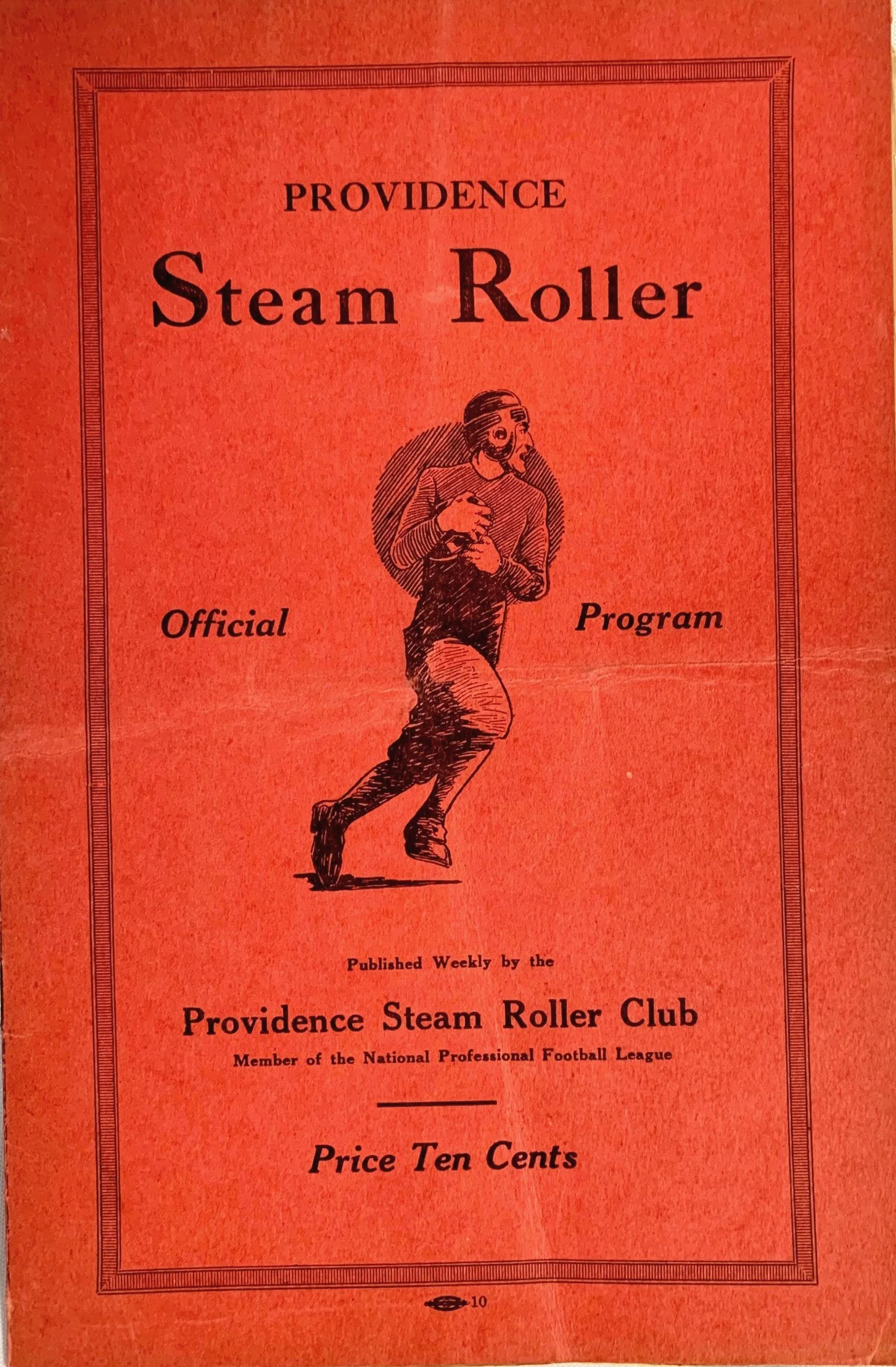
Vintage Early Professional Football Progam
Summer is a good time to take inventory of your collection. One question every collector should ask: "Am I properly insured if something catastrophic happens?"
Many collectors don't realize that a traditional homeowners insurance policy typically has coverage limits that fall short when it comes to protecting high-value memorabilia — a signed rookie card, a game-used bat, a vintage jersey, or a multi-signed baseball with legendary names on it. There are several reasons for this gap:
Coverage limits — Standard policies often cap "collectibles" or "personal property" categories well below what a single significant item is worth.
Specialized risks — Cards can fade or be damaged by humidity, autographs can degrade, bats can crack, and jerseys can fall victim to moths or improper storage — risks a general policy isn't built to address.
Policy exclusions — Many standard policies exclude or sharply limit sports memorabilia, treating it the same as ordinary household goods.
Risk assessment — Insurers need to understand the specific vulnerabilities of vintage items, from ink fading on an old autograph to game-wear deterioration on a uniform.
Loss valuation methods — Without documentation, an insurer may value a piece at a fraction of what it's actually worth in today's market.
Appraisal requirements — Most carriers require a professional appraisal before they'll extend meaningful coverage on a high-value piece.
Why You Need an Appraiser for Your Sports Memorabilia
Insurance companies often require an appraisal before providing coverage for fine art, jewelry — and yes, vintage sports memorabilia. An appraisal from an ISA-credentialed appraiser gives your insurance professional the information they need to set an appropriate coverage amount, so your collection is genuinely protected against loss, theft, or damage.
Sports memorabilia is a category all its own. It carries its own market dynamics, condition standards, and authentication requirements that a general personal-property appraiser may not fully grasp. That's where specialized expertise matters.
An appraiser with a specialty in vintage sports memorabilia considers factors like:
Player and team significance — A ball signed by a Hall of Famer carries very different weight than one signed by a role player.
Rarity — How many of this card, bat, or photograph are known to exist, and in what condition?
Authentication and provenance — Does the piece have a PSA/DNA LOA, JSA authentication, or a documented chain of ownership? Provenance can make or break both value and insurability.
Condition and grading — For cards, that means the grading scale; for game-used bats and jerseys, it means wear patterns, cracking, staining, and originality of any repairs.
Market trends — The vintage sports market moves fast. Comparable sales from six months ago may already be out of date.
The Bottom Line
An appraiser plays a crucial role in providing a reliable, objective assessment of what your memorabilia is actually worth — essential whether you're insuring it, planning your estate, or considering a sale. Getting a proper appraisal gives you peace of mind that these irreplaceable pieces of sports history are protected the way they should be.
If your collection includes items you haven't had appraised recently — or ever — now's a good time to change that.
Protect What You've Collected
At Finding Nostalgia, we provide USPAP-compliant, ISA-accredited appraisals specifically for vintage sports memorabilia — signed baseballs, game-used bats, jerseys, cards, and more. Whether you need documentation for insurance, an estate plan, or a charitable donation, we'll help you understand exactly what your collection is worth and make sure it's properly protected.
Have questions first? Reach out directly at FindingNostalgia@gmail.com — we're happy to talk through what you have before you commit to anything.
