

When Autographs Go Wrong
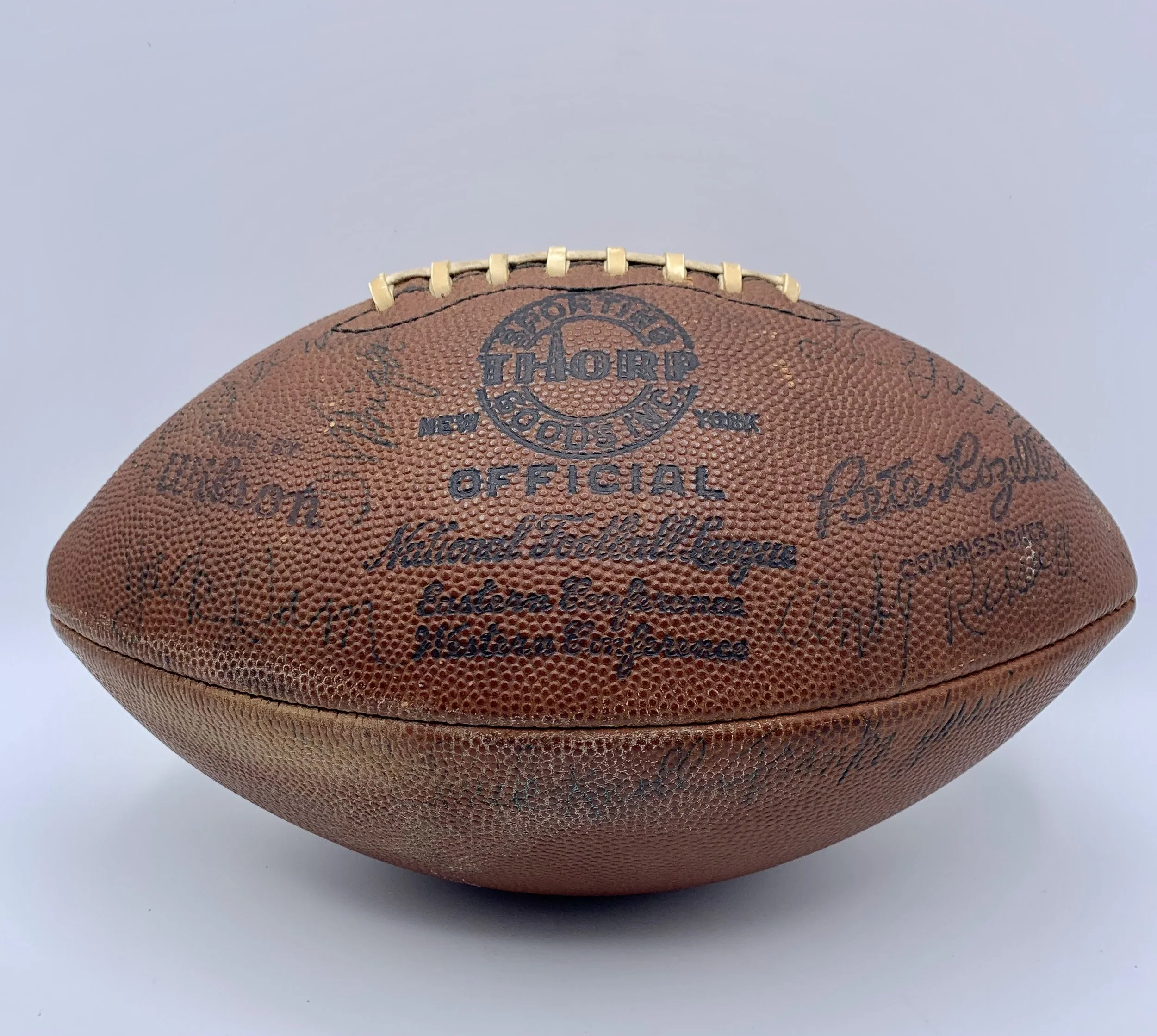
A Collectors Cautionary Tale
A number of years ago, I was fortunate enough to win a massive lot of football memorabilia from a local auction house. Nothing in particular drew me to it—no single centerpiece, no marquee item—just the sheer volume of it all. The collection was large enough to cover an eight-foot white folding table, with even more tucked underneath. Vintage pennants, novelty items, football cards, oddball advertising pieces—there was a little bit of everything. It took me nearly six months to go through everything properly. I wasn’t in a hurry. I enjoyed the process—opening boxes, rediscovering forgotten items. For the most part, I was very pleased with what I had acquired.
Then one day, at the very bottom of a box, I uncovered something that stopped me cold: about 50 autographed 8×10 photographs of NFL Hall of Famers. Big names— Gale Sayers, Dan Marino, Troy Aikman, Peyton Manning, John Elway, and Tom Brady, along with many others. I had never been an autograph collector, but at that moment, I felt like I’d hit the NFL jackpot, by accident!. Naïvely—and without doing any real research—I carefully packaged 10 of them up and sent them off to James Spence Authentication.
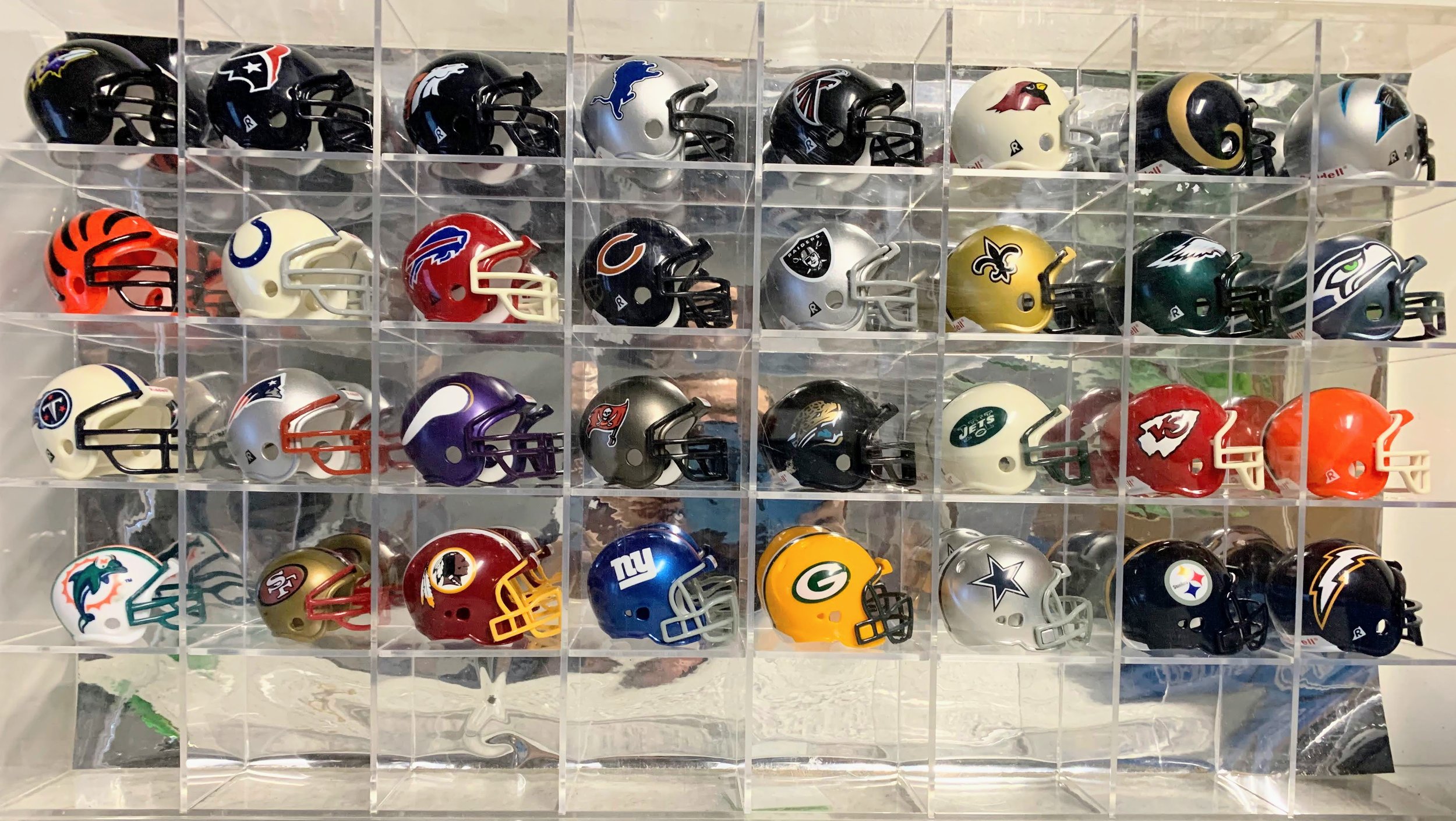
Example of the Gumball Helmets - These had no Autographs.
When the results came back, my heart sank. Every single autograph was deemed fake. Every one. I was crestfallen. That moment was a hard but important lesson: research comes first. Always. As I dug deeper into the same memorabilia lot, another red flag emerged. There was a large assortment of miniature NFL gumball machine helmets, many of them “signed” by star quarterbacks—including some of the same legendary names from the photos. Once you stop and think about it, the absurdity becomes clear. Why would a collector spend time and money getting Hall of Fame autographs on a small gumball helmet? A hundred or more. The answer, of course, is that they wouldn’t.
In a very shorr order, I became deeply cynical about autographed memorabilia. That skepticism was reinforced months later during a Zoom call with a group of collectors and a PSA autograph authenticator. At one point, the PSA Authenticator mentioned that roughly 75% of the autographs crossing his desk are fraudulent. While I understand that authentication isn’t infallible and human error exists, that number is still staggering—and troubling.
This article doesn’t offer groundbreaking insight or problem solving. It’s simply a reminder to be cautious and to use every tool available before submitting autographs for authentication. For baseball collectors, there’s a Facebook group called “Out or Safe” that can be incredibly helpful. Watching the group’s activity is fascinating—and eye-opening—given how many signatures are ultimately exposed as not authentic. None of this is new information. Autograph fraud has been around for as long as autographs themselves. I simply wanted to share my own experience. Looking back, I’d say the majority of uncertified autographs I’ve acquired over the years were not authentic. And that realization has permanently changed the way I collect.
If you've inherited or acquired autographed sports memorabilia and aren't sure what you have, a formal appraisal can help establish documented value for insurance, estate, or sale purposes — separate from authentication. Learn about our appraisal services or contact us to discuss your collection.
